
There are places that tell the story of a city. And then there are places that tell the story of an entire era.
Modena’s UNESCO site undoubtedly belongs to the latter category.
Since 1997, the monumental complex consisting of the Cathedral, Piazza Grande, and the Ghirlandina Tower has been recognized as a World Heritage Site: a unique architectural ensemble capable of representing the soul of the city and its thousand-year history.

A Masterpiece of European Medieval Art
Modena’s UNESCO heritage is not made up of a single building, but of a perfectly integrated urban system. The Cathedral, the Civic Tower, and the square are not separate elements, but parts of a single narrative: that of the medieval city and its civic and religious identity.
At the heart of this masterpiece are two extraordinary figures: the architect Lanfranco and the sculptor Wiligelmo. Their collaboration gave rise to an innovative language in which architecture and sculpture interact harmoniously, deeply influencing the development of Romanesque art across Europe.
Modena’s UNESCO Heritage: The Cathedral
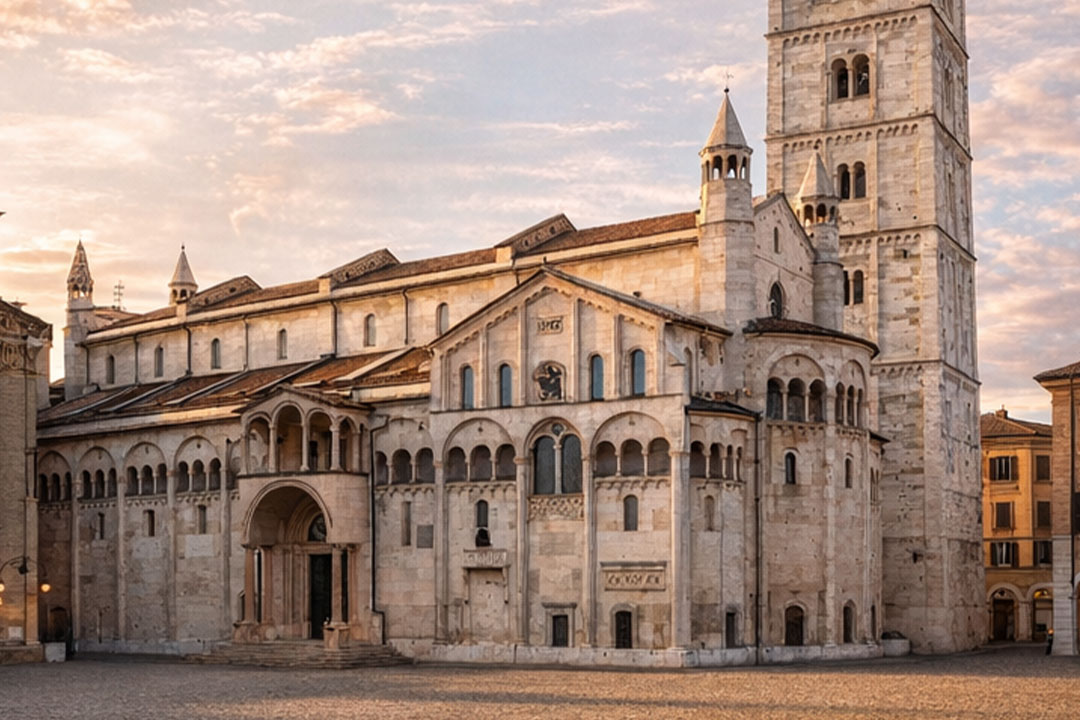
Modena Cathedral is the heart of the UNESCO site. Built starting in 1099, it represents one of the greatest examples of Romanesque art.
Its façade is a true story carved in stone: sacred scenes, symbolic figures, and references to medieval culture intertwine in a rich and complex visual language.
It is not only a place of worship, but also an extraordinary testimony to medieval society, its beliefs, and its imagination.

The Ghirlandina: Identity and Civic Pride
Next to the Cathedral stands the Civic Tower, known as the Ghirlandina. It is not just a bell tower, but a true symbol of the city.
In the Middle Ages, it represented civic power and communal freedom, complementing the religious dimension embodied by the Cathedral. Even today, it dominates Modena’s skyline, serving as both a visual landmark and a symbol of identity.
Piazza Grande: The Heart of City Life
Piazza Grande is the space that brings everything together. For centuries, it has been the center of Modena’s public life: assemblies, markets, and political debates all took place here.
The presence of the famous “Pietra Ringadora,” used to address the public or punish debtors, highlights the central role the square played in medieval social life.
Even today, walking through Piazza Grande means coming into direct contact with the living history of Modena.
Why Is Modena a UNESCO Site?

UNESCO recognition stems from the site’s outstanding universal value. The complex represents one of the finest examples of a medieval city where religious and civic values coexist in perfect balance.
Moreover, the Cathedral and its sculptural decoration are a fundamental testimony to the revival of monumental stone sculpture in Europe.
It is not just about aesthetic beauty, but about a heritage that tells how 12th-century communities lived, thought, and built their world.
Where to Stay in Modena
Visiting Modena’s UNESCO heritage means immersing yourself in a history that is still tangible. It is not an open-air museum, but a living space where past and present coexist every day.
It is precisely this authenticity that makes Modena an ideal destination for those seeking deep cultural experiences that leave a lasting impression.
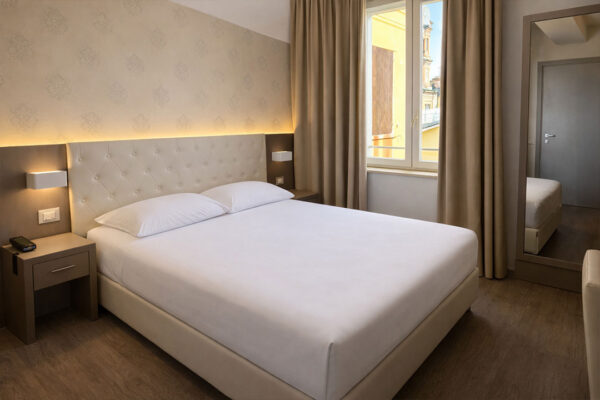
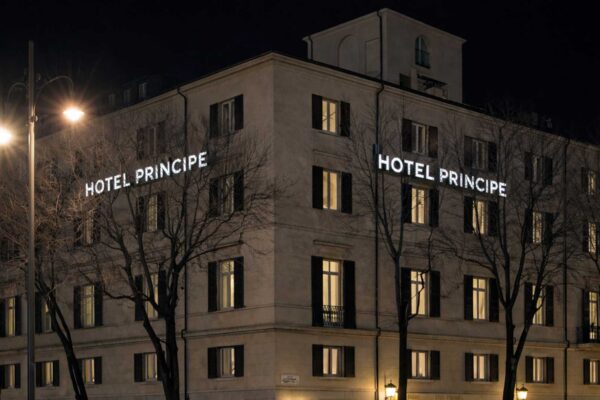
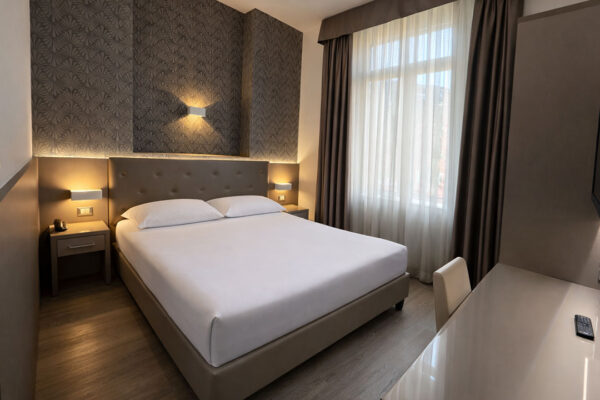
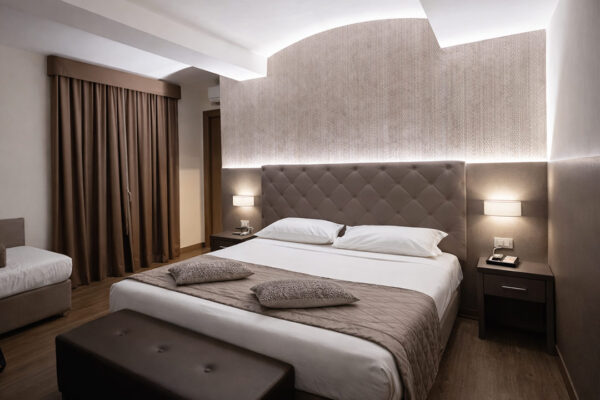
For guests of LVG Hotel Collection, it represents a unique opportunity: to experience the heart of the city and discover a heritage that is not only to be seen, but to be understood. Choose Hotel Principe to make the most of your stay.