Religious tourism is one of the most authentic and meaningful ways to discover the cultural identity of Northern Italy. Between
Piedmont and Lombardy—two regions rich in history and spirituality—lie itineraries that tell centuries of faith, art, and devotion. From majestic metropolitan cathedrals to the silence of mountain sanctuaries, from Renaissance monasteries to mystical places overlooking the lakes, each stop preserves a heritage that goes far beyond architectural beauty. These territories offer modern travelers the opportunity to rediscover slow tourism, made of contemplation and discovery, where the spiritual dimension intertwines with nature, culture, and local traditions.
Religious Tourism in Piedmont
The Holy Shroud of Turin

Among the most well-known symbols of Christianity, the Holy Shroud is one of the most treasured relics of Piedmont and all of Europe. Kept in the Cathedral of St. John the Baptist in Turin, the relic has been the object of veneration and scientific study for centuries. Even when it is not on public display, visiting the cathedral and the Shroud Museum allows visitors to explore the history and mystery surrounding the sacred cloth. The museum experience, rich in testimonies and artifacts, offers an emotional journey that blends faith, research, and art. Turin, with its discreet yet profound spirituality, continues to attract pilgrims and travelers drawn by the symbolic power of this extraordinary relic.
In the Footsteps of Pier Giorgio Frassati
A visit to Turin may also include an itinerary that follows in the footsteps of Pier Giorgio Frassati
, discovering the places that shaped his life: his birthplace, the parish he attended, the student circles he frequented, and the streets where he carried out his charitable works. This path combines spirituality and history, allowing visitors to learn more about one of the modern saints, a symbol of hope and Christian commitment in today’s world.
The Statue of San Carlo in Arona
Overlooking Lake Maggiore, the colossal statue of San Carlo Borromeo—known as the San Carlone—is one of the largest statues in Europe. Built in the 17th century to honor the Milanese archbishop canonized in 1610, the statue rises 35 meters high and towers over the city of Arona with its monumental presence. Visitors and pilgrims can climb inside the structure up to the saint’s head, admiring breathtaking views of the lake and surrounding mountains through small windows. Beyond its artistic value, the San Carlone is a symbol of faith and renewal, testifying to the devotion of the Lombard-Piedmontese people to one of their most beloved saints.
The Sancturay of Oropa
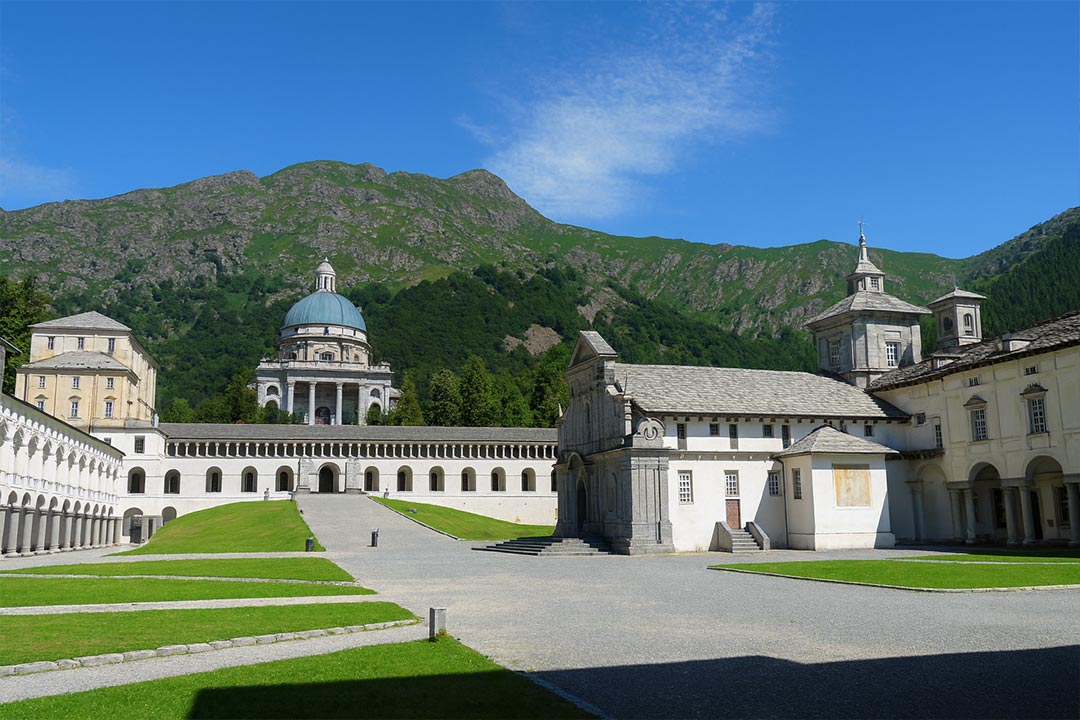
Located over 1,200 meters above sea level, in the Biella mountains, the Sanctuary of Oropa is one of the most impressive and evocative religious complexes in Italy. Dedicated to the Black Madonna, it is part of the UNESCO World Heritage site of the Sacri Monti of Piedmont and Lombardy. According to tradition, it was founded in the 4th century by Saint Eusebius, and over the centuries it grew into a major Marian pilgrimage site. In addition to the Old Basilica and the New Basilica, the complex includes a Sacro Monte with twenty chapels illustrating the life of the Virgin. Surrounded by forests and alpine peaks, Oropa is a place where spirituality and nature coexist in perfect harmony, offering visitors an experience of reflection and serenity.
The Sanctuary of the Santissima Pietà in Cannobio
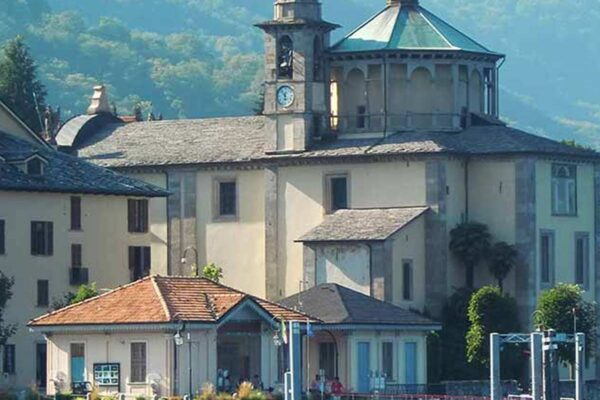
On the shores of Lake Maggiore, the Sanctuary of the Santissima Pietà in Cannobio is linked to a miraculous event that took place in 1522, when a small painting of the dead Christ began to bleed. The building that now houses the miraculous image is an example of Renaissance sacred art enriched with Baroque frescoes and decorations. Every year in February, the town celebrates the Feast of the Miracle, an event that attracts pilgrims and faithful from across the region. Nestled in an elegant lakeside village, the sanctuary offers an intimate spiritual experience in a setting of extraordinary natural and architectural beauty.
Religious Tourism in Lombardy
Milan Cathedral
The spiritual and artistic heart of the city, the Cathedral of Milan is one of the largest Gothic cathedrals in Europe. Its construction, which began in 1386, lasted over five centuries and produced a unique masterpiece, a symbol of Milanese identity. Inside, among the majestic naves, visitors can admire stained-glass windows, statues, and relics of great religious value. The panoramic terrace—accessible by elevator or stairs—offers spectacular views over the rooftops of Milan and the Alps. The cathedral is not only a monument but a living place of prayer, art, and culture, welcoming millions of visitors and worshippers from around the world every year.

Leonardo da Vinci’s “Last Supper” and the Church of Santa Maria delle Grazie
In the heart of Milan, next to the Church of Santa Maria delle Grazie, lies one of the greatest masterpieces in the history of art: The Last Supper by Leonardo da Vinci.. Painted between 1495 and 1498, the fresco depicts one of the most intense moments in the life of Christ and continues to inspire believers and art lovers alike. The church itself, with its elegant Renaissance architecture, is a jewel of its own: commissioned by Duke Ludovico il Moro and designed by Bramante, it is a UNESCO World Heritage Site. The visit combines spirituality and artistic beauty, offering an experience that transcends time and invites contemplation of divine mystery through art.
The Cammin Breve
The Cammin Breve is an urban itinerary that starts from Milan Cathedral and reaches Porta Ticinese, stopping at seven churches that represent the great Ambrosian Catholic tradition. The path goes through Via Torino and includes essential stops: Santa Maria presso San Satiro, the Church of San Sebastiano (also known as the Civic Temple), Sant’Alessandro in Zebedia, San Giorgio al Palazzo, the historic Basilica of San Lorenzo Maggiore, the Sanctuary of Santa Maria della Vittoria, and finally the Basilica of Sant’Eustorgio.. The itinerary offers visitors not only architectural masterpieces and artworks—including the Early Christian mosaics of the Chapel of St. Aquilinus in San Lorenzo and the underground remains of the Roman amphitheater—but also a chance for quiet reflection in the heart of the city. During special Jubilee years, the path is included in pastoral hospitality programs (such as the “Pilgrims of Hope” initiative and jubilee churches), making it suitable for both art lovers and pilgrims seeking urban spirituality.
The Hermitage of Santa Caterina del Sasso
Set into a cliff overhanging Lake Maggiore, the Hermitage of Santa Caterina del Sasso
in Leggiuno is one of the most scenic places in Lombardy. According to tradition, it was founded in the 13th century by a merchant saved from a shipwreck. The monastic complex consists of three buildings constructed on natural terraces suspended above the water. Reachable by boat or via a dramatic staircase, the hermitage offers a unique panorama and an atmosphere of profound peace. Inside are medieval and Renaissance frescoes that recount centuries of faith and devotion. It is an ideal place for those seeking silence, contemplation, and direct contact with nature and spirituality.
The Certosa di Pavia

La Certosa di Pavia The Certosa di Pavia is one of the most extraordinary monastic complexes in Italy and one of the greatest expressions of Lombard Renaissance architecture. Founded in 1396 by Gian Galeazzo Visconti, the Certosa is a perfect blend of architecture, art, and spirituality. Its sculpted marble façade, rich in detail, leads to an interior where Gothic and Renaissance elements coexist harmoniously. The cloisters, the refectory, the monks’ cells, and the works of masters like Bergognone and Perugino tell a story of silence, work, and prayer. Even today, Cistercian monks discreetly preserve this place, maintaining its mystical charm intact.
Religious Tourism in Piedmont and Lombardy: Why Stay on Lake Maggiore


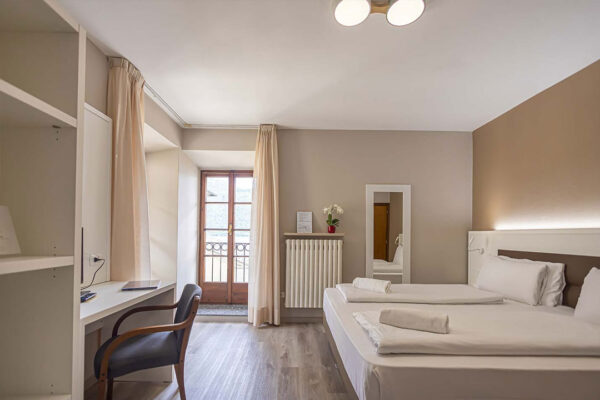
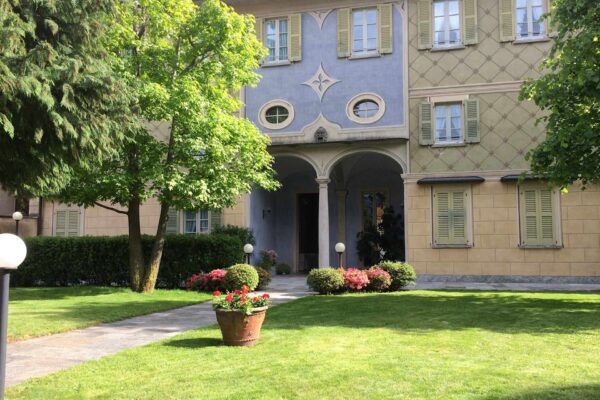
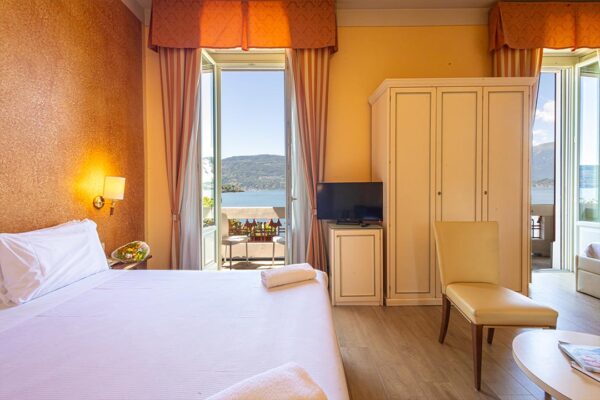

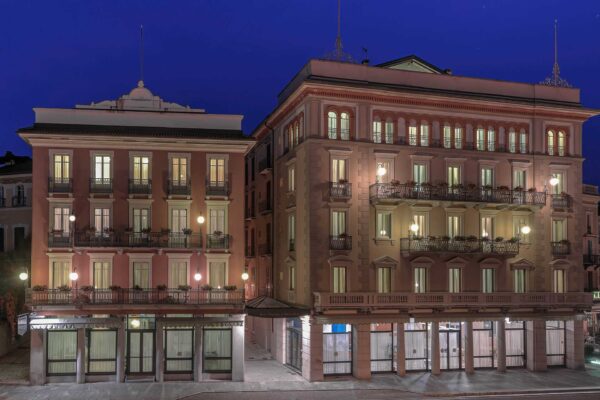
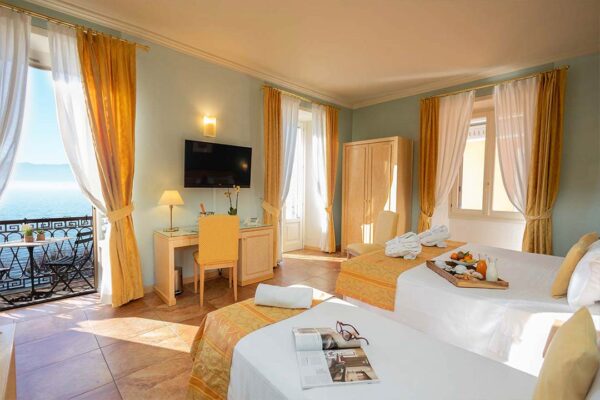
For those wishing to experience a journey that blends art, spirituality, and nature, Lake Maggiore is the ideal choice. Located on the border between Piedmont and Lombardy and just a short distance from Milan Malpensa Airport, it is a strategic base for exploring the sacred sites and religious itineraries of both regions. Its shores offer landscapes of rare harmony, with picturesque villages, historic gardens, and sanctuaries overlooking the water.
LVG Hotel Collection welcomes travelers in four elegant properties located on Lake Maggiore,designed to offer unique stays that balance relaxation with cultural discovery. Whether for a pilgrimage, an art-focused journey, or a peaceful weekend of contemplation, the collection’s hotels are the perfect starting point for exploring the spiritual heart of Northern Italy.
Discover our properties on Lake Maggiore:
- Il Portico in Cannobio
- Il Chiostro in Intra
- Belvedere San Gottardo in Pallanza
- Pallanza in Pallanza